Every Deck Building Service We Offer in McAllen, TX
One team for every deck building job in McAllen — from composite decking (trex & timbertech) to commercial decks & boardwalks.
McAllen Elite Deck Builders handles residential and commercial deck building projects across McAllen and the Rio Grande Valley. From composite decking (trex & timbertech) to commercial decks & boardwalks, every service below is handled by our own team and backed by our workmanship guarantee.
Start on the McAllen Elite Deck Builders homepage, read what people in McAllen say on our about page, or call (888) 321-3875 and describe what you need in your own words.
Deck Building Work We Do in McAllen
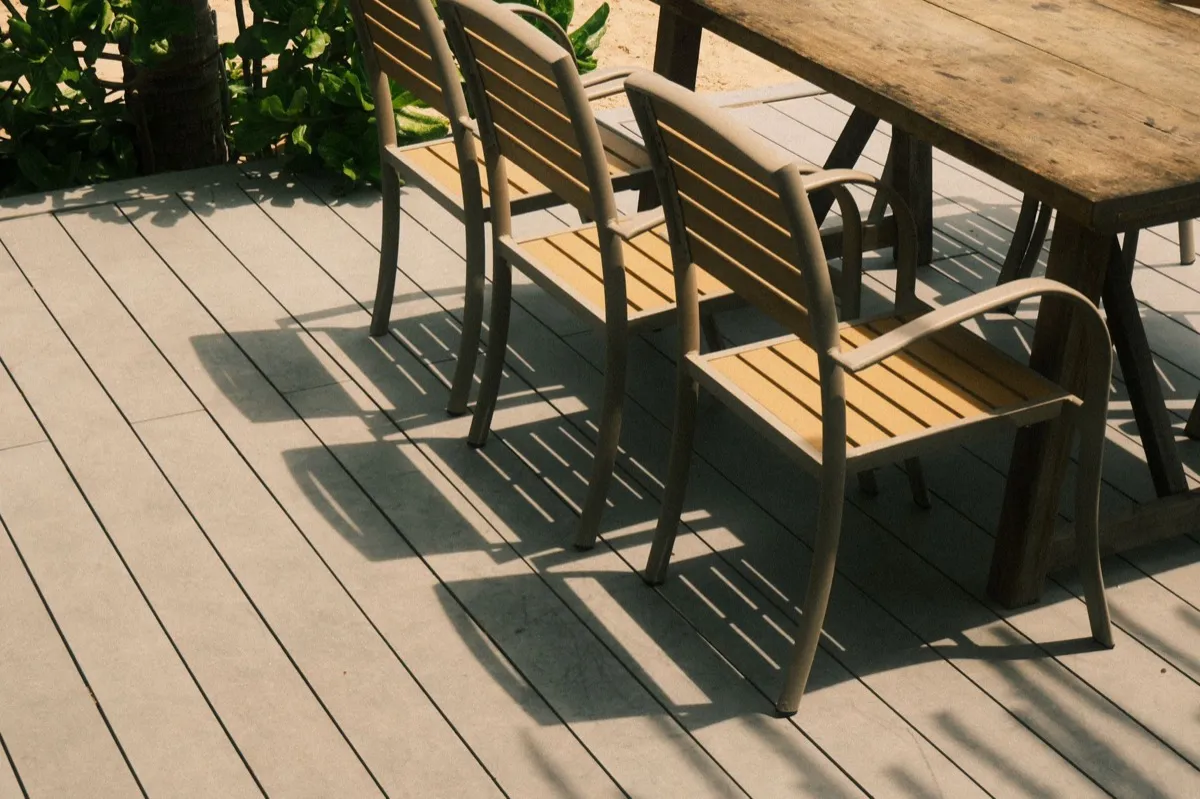
Composite Decking (Trex & TimberTech)
Composite decking is the default choice for most McAllen backyards, because it will not splinter, will not need a stain every second spring, and does not feed the subterranean termites that never go dormant in Hidalgo County. We install capped composite in the Trex and TimberTech lines over a full ground-contact pressure-treated substructure, using hidden clip fasteners in grooved boards so the finished surface has no screw holes collecting water and grit.
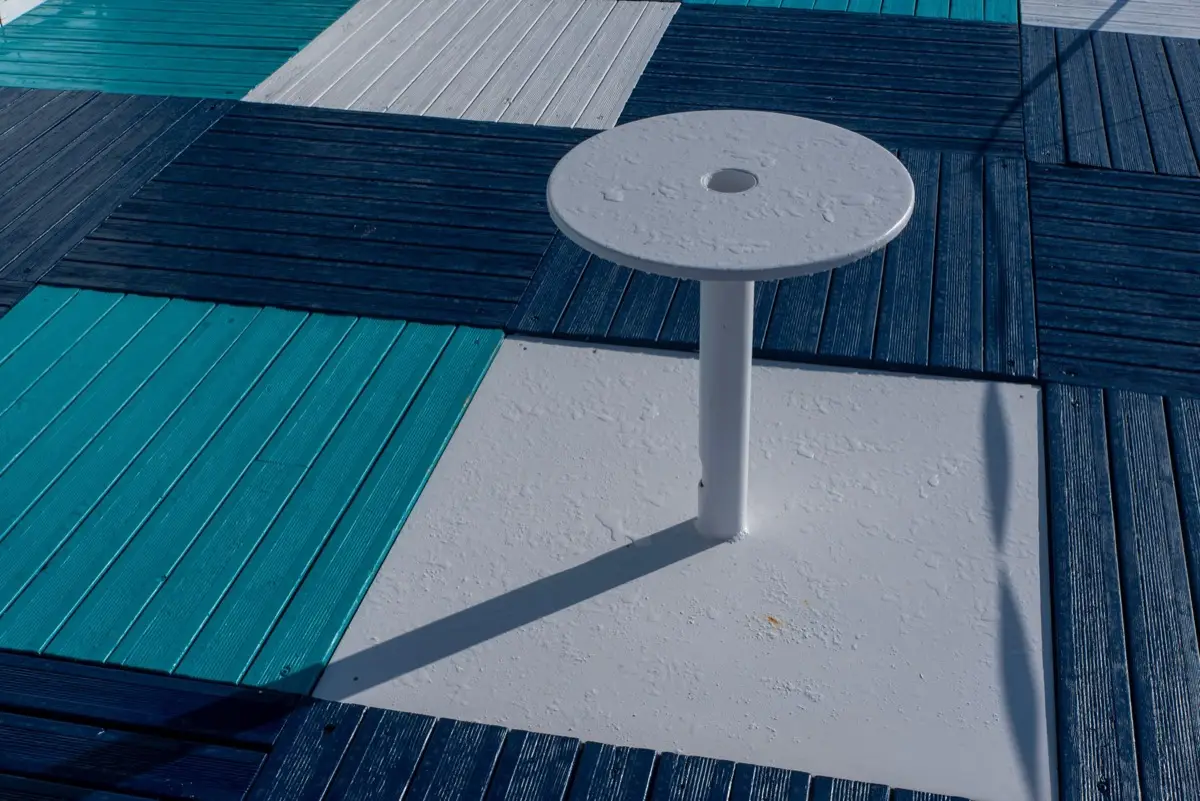
PVC & Cellular Decking
Cellular PVC decking contains no wood flour whatsoever, which makes it the most rot-proof and termite-proof surface you can walk on in the Rio Grande Valley. We install PVC board in the Azek and TimberTech lines on pool surrounds, spa decks, second-story decks over living space, and any job where a client wants the lowest-maintenance product available rather than the least expensive one.

Cedar Decks
Cedar decks stay cooler underfoot than any synthetic board, which is why western red cedar is still the right answer for a McAllen deck that gets full afternoon sun and no roof over it. We build in clear and select-grade cedar with tight vertical grain, fastened with stainless steel screws, on a ground-contact pressure-treated substructure that never depends on the cedar for its structural life.
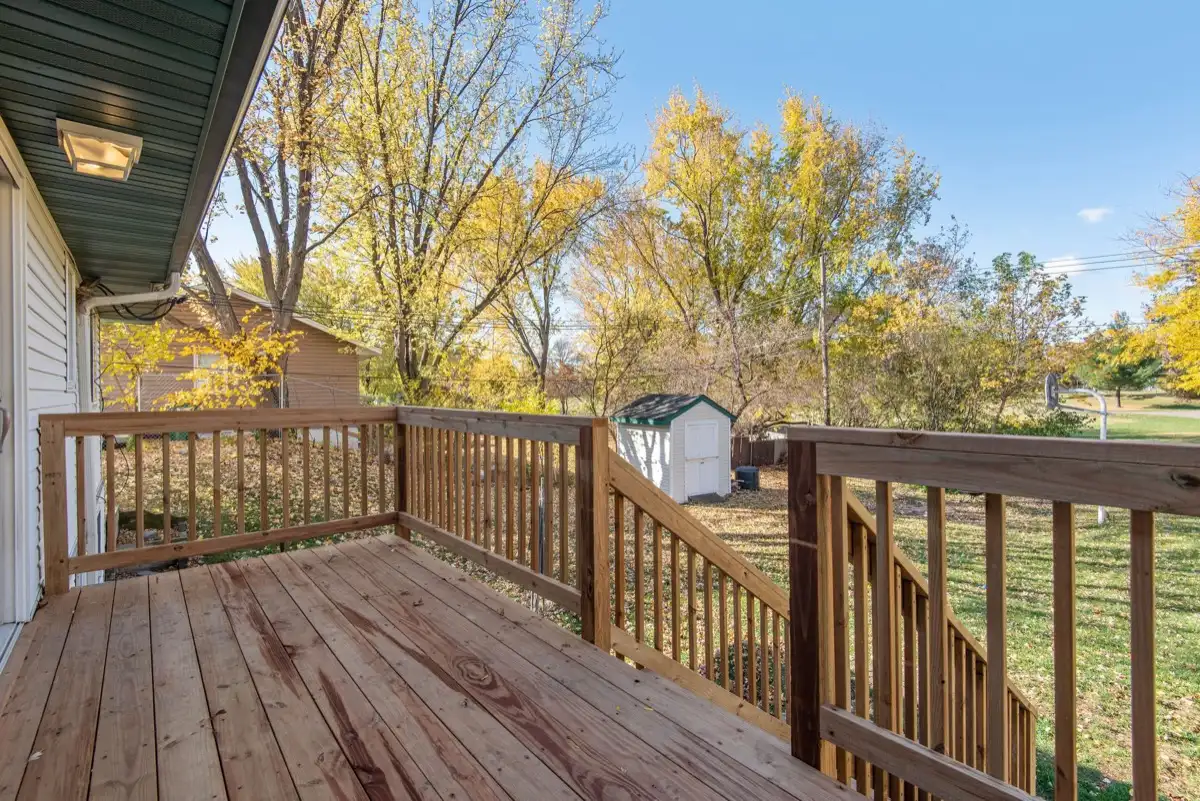
Redwood Decks
Redwood decking is the premium natural-wood surface we build in McAllen, and clear all-heart redwood is harder, denser and more dimensionally stable than western red cedar while staying just as cool underfoot. We use it where the wood itself is the point: exposed decks, wrapped posts, built-in benches and visible fascia, always fastened with stainless steel over a pressure-treated substructure.
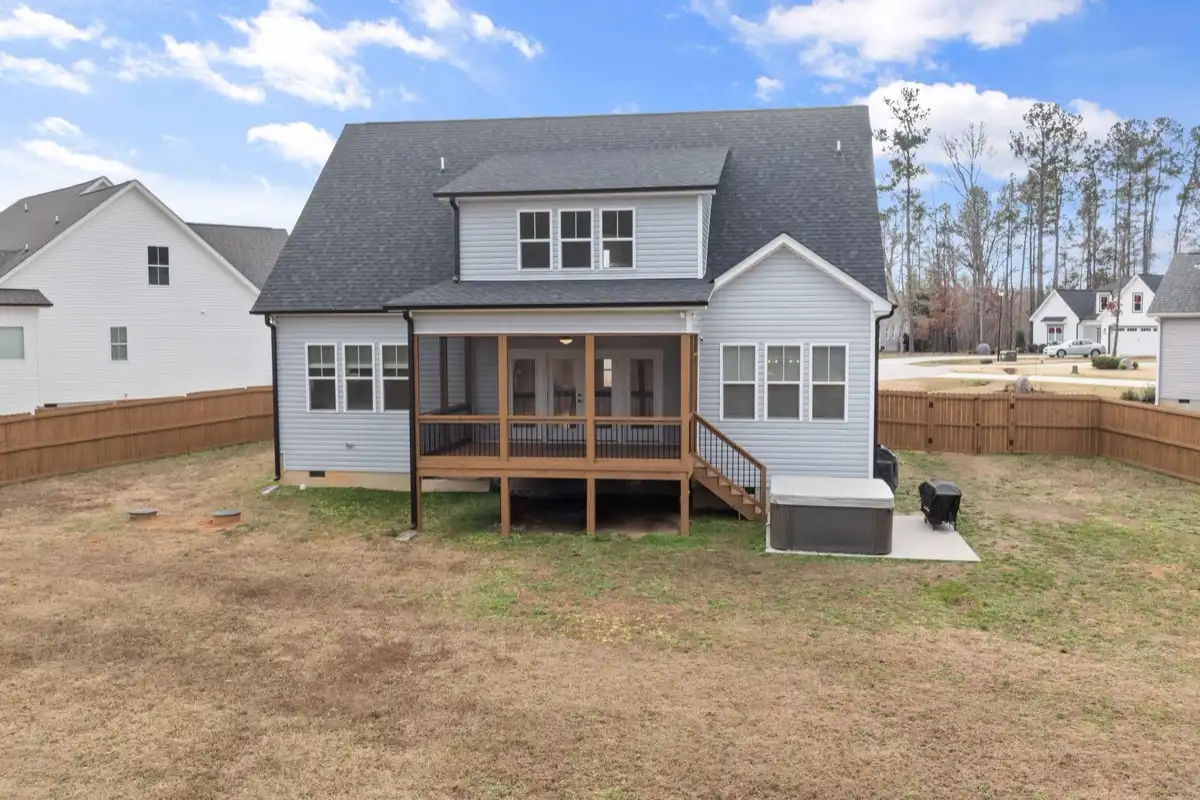
Pressure-Treated Pine Decks
Pressure-treated southern yellow pine is the least expensive way to get a structurally sound deck in McAllen, and it is what we frame every deck with regardless of what you walk on. For the surface as well, treated pine is an honest choice when budget is the constraint, provided it is ground-contact rated, fastened with hot-dipped or stainless hardware, and given a stain schedule you will actually keep.
Ipe & Tropical Hardwood Decks
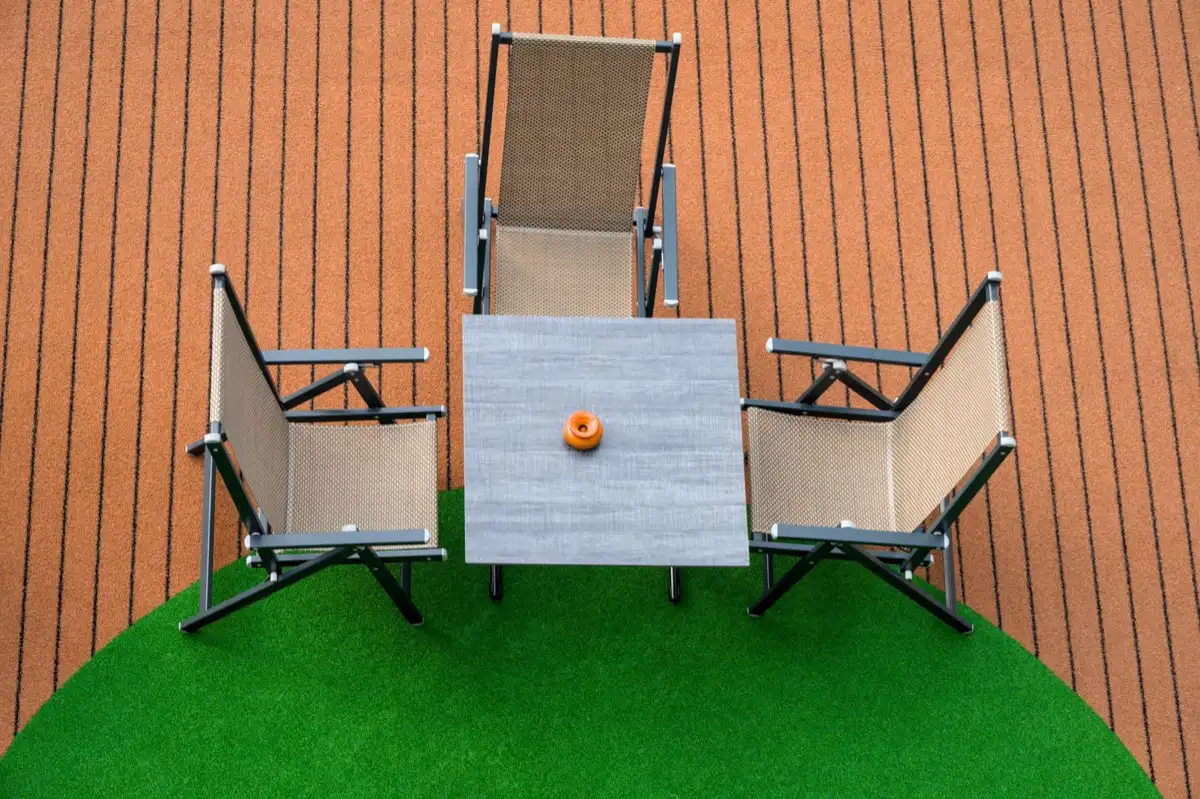
Ipe decking is the hardest, densest and longest-lasting wood surface available, and an ipe deck built properly in McAllen will outlast the house it is attached to. We install ipe and related tropical hardwoods — cumaru, garapa, and thermally modified species — with stainless hidden clips or plugged stainless face screws, and we quote the labor honestly because this material is genuinely difficult to work.
Multi-Level Decks
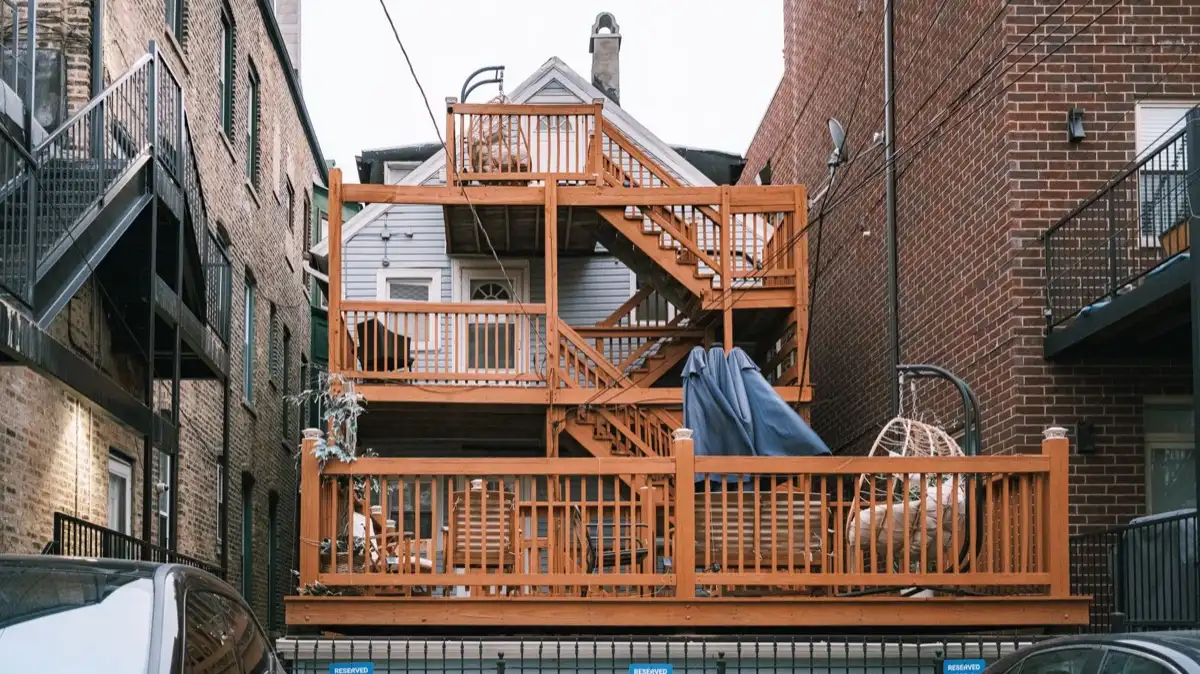
Multi-level decks solve the two problems that flat single-platform decks cannot: a sloping yard and a family that wants to do more than one thing outside. We design and frame tiered decks where each level carries its own beam and post line, sized so the upper platform is never cantilevering off the lower one, with code-compliant guards and properly detailed stair transitions between them.
Pool Decks & Pool Surrounds
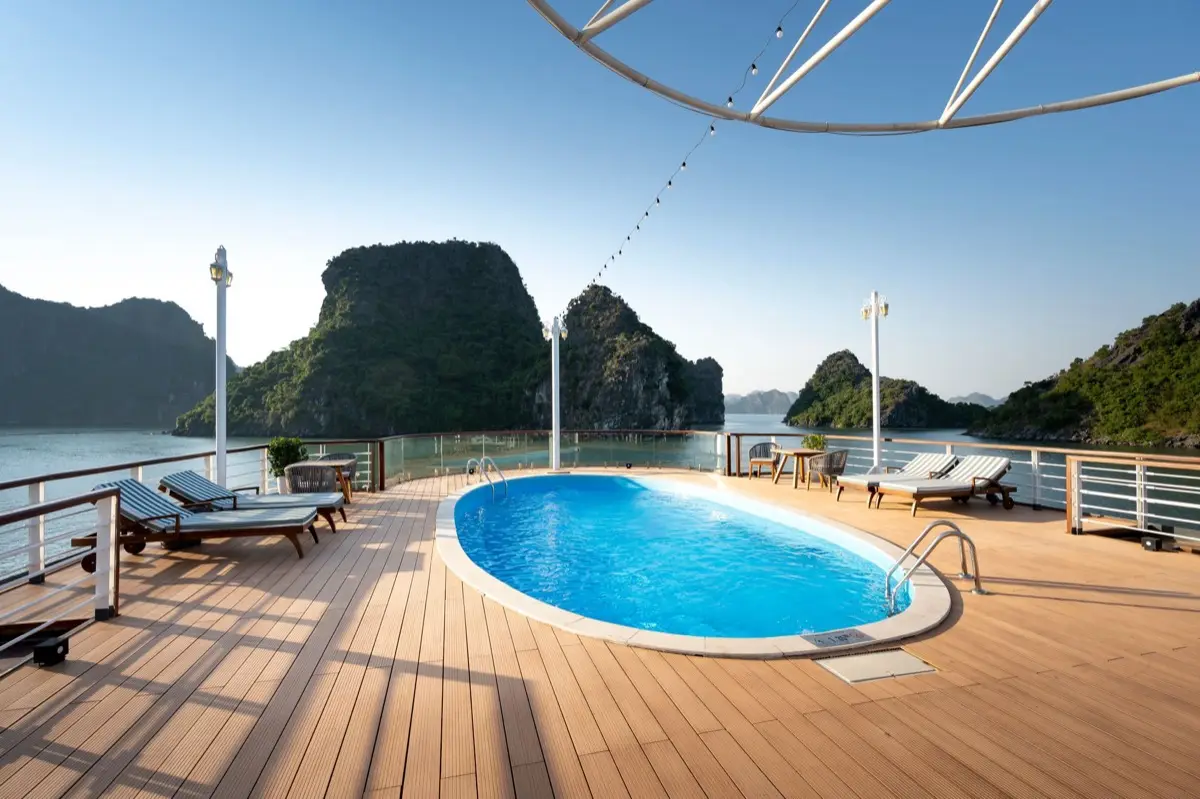
Pool decks take more abuse than any other deck we build, and around water we specify cellular PVC or capped composite rather than wood almost every time. We build pool surrounds, above-ground pool decks and spa platforms in McAllen with stainless hardware throughout, slip-resistant surfaces, engineered spa framing, and barrier and gate details that satisfy the pool enclosure requirements.
Covered Decks & Roof Structures
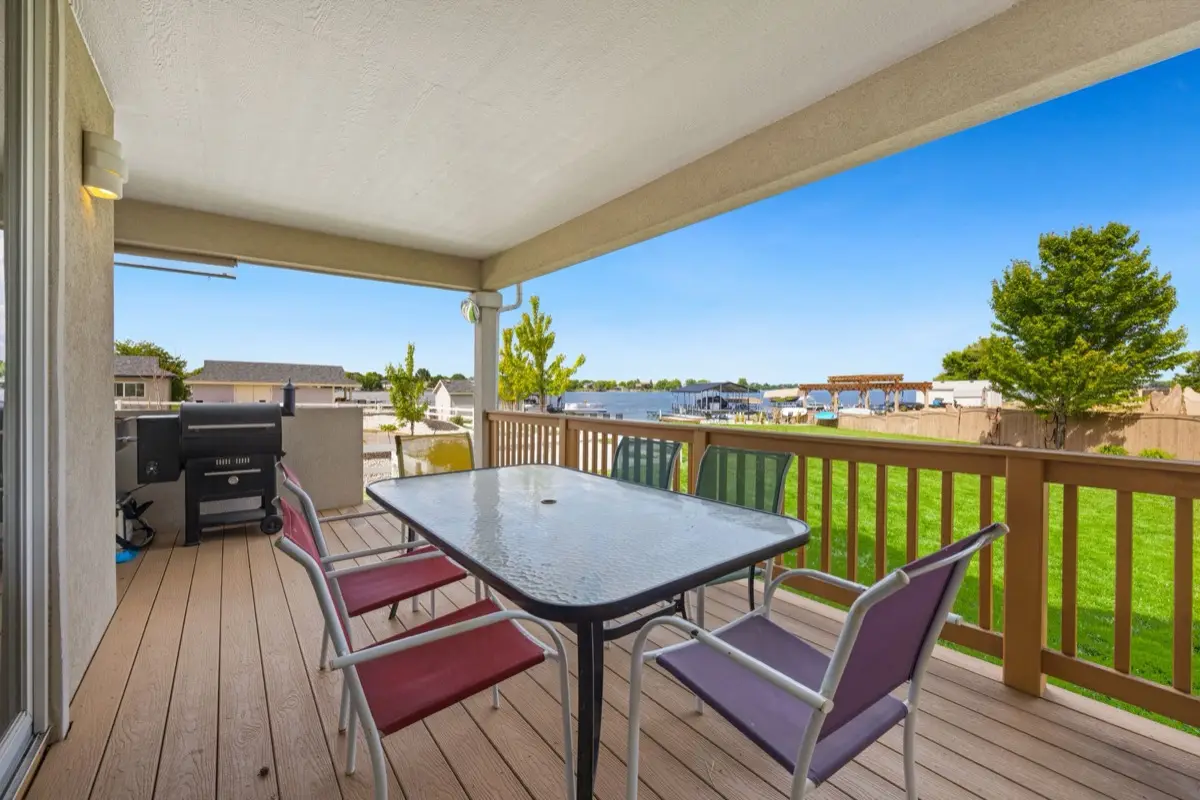
A covered deck is the only structure that makes an unshaded south- or west-facing McAllen deck usable through a July afternoon, and it is the upgrade we recommend most often. We build attached and freestanding roof structures over decks — shed, gable and hip framing with rated uplift connectors, proper wall flashing, and ceiling fans and lighting wired in during construction rather than bolted on afterward.
Pergolas & Shade Structures
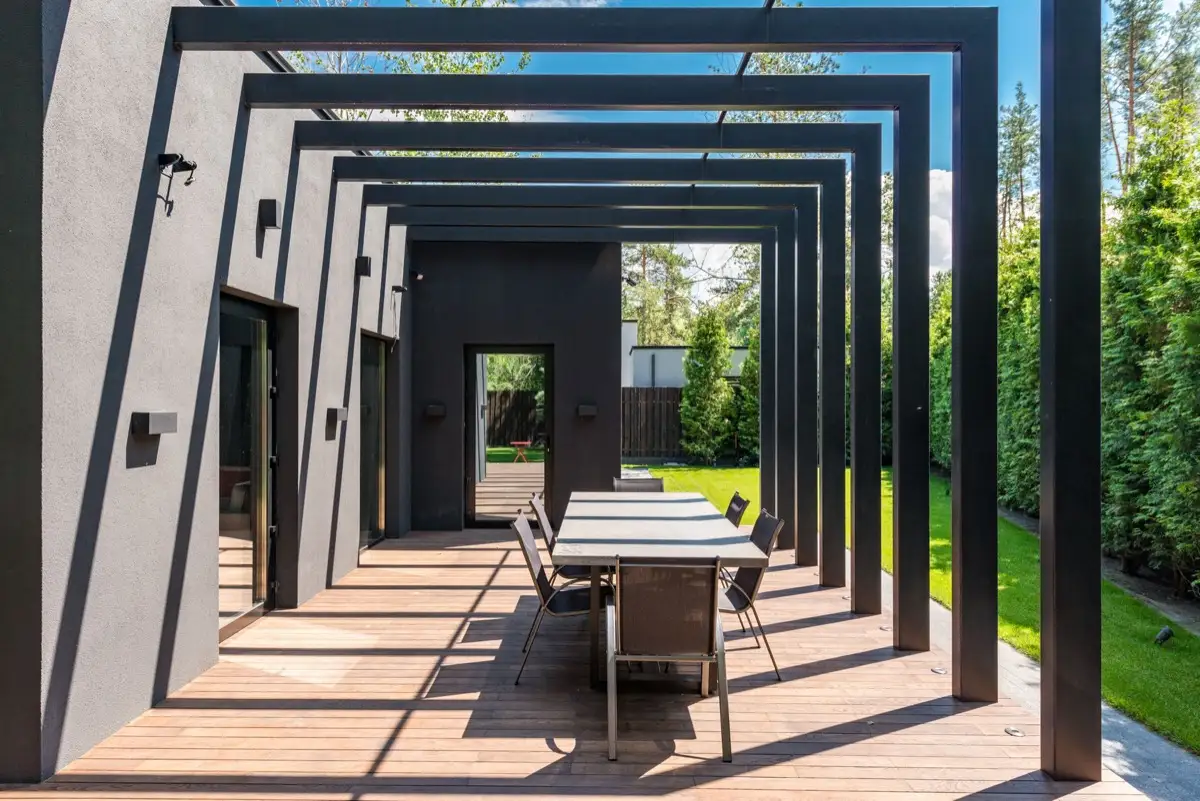
A pergola is the least expensive way to make a McAllen deck usable in the afternoon, and how much shade it actually delivers depends entirely on rafter spacing and orientation rather than on how good it looks in the brochure. We build cedar, redwood and powder-coated aluminum pergolas, including adjustable louvered systems, with uplift anchoring at every post and posts set on piers with standoff bases.
Screened Porches
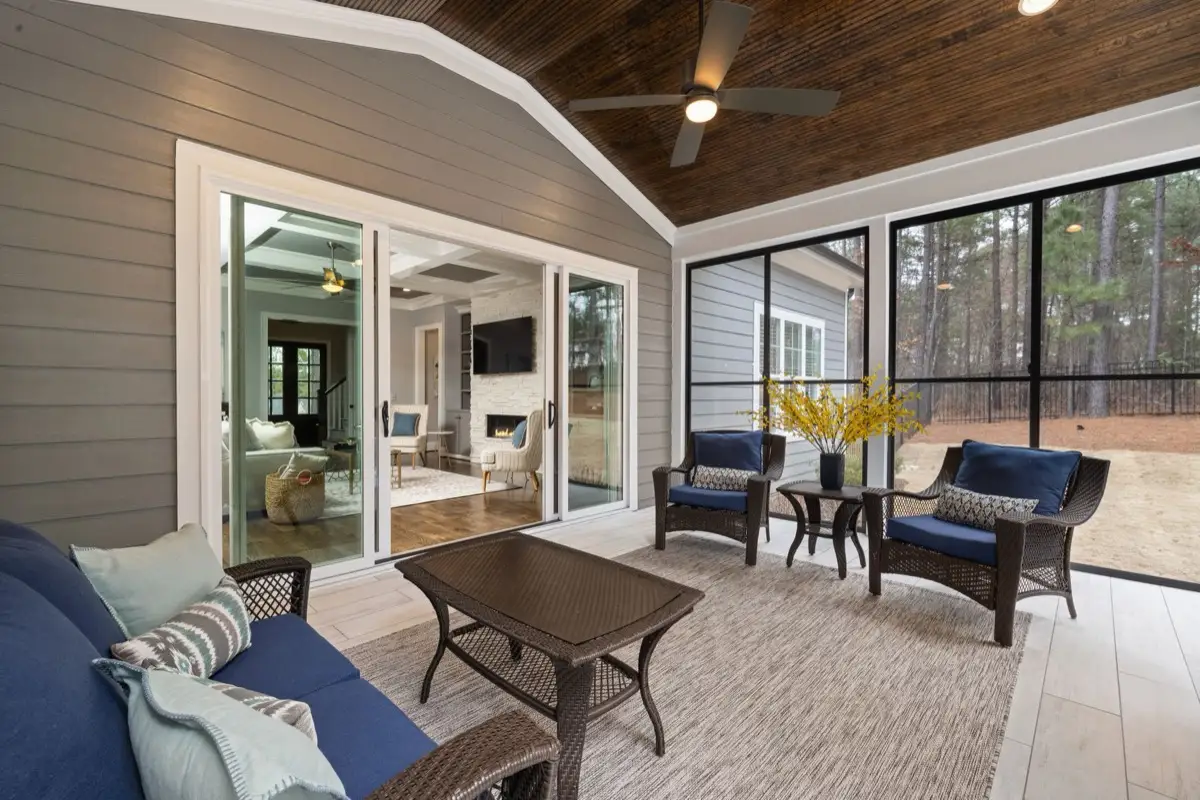
A screened porch is what finally lets you sit outside on a Valley evening without donating blood, and it is one of the most-used rooms we build. We frame screened porches in McAllen with a solid roof over them, tensioned screen panels with removable spline, pet-resistant mesh on the lower panels, kick panels where feet and paws land, and an outdoor-rated ceiling fan wired in from the start.
Deck Railings: Cable, Glass, Aluminum & Wood
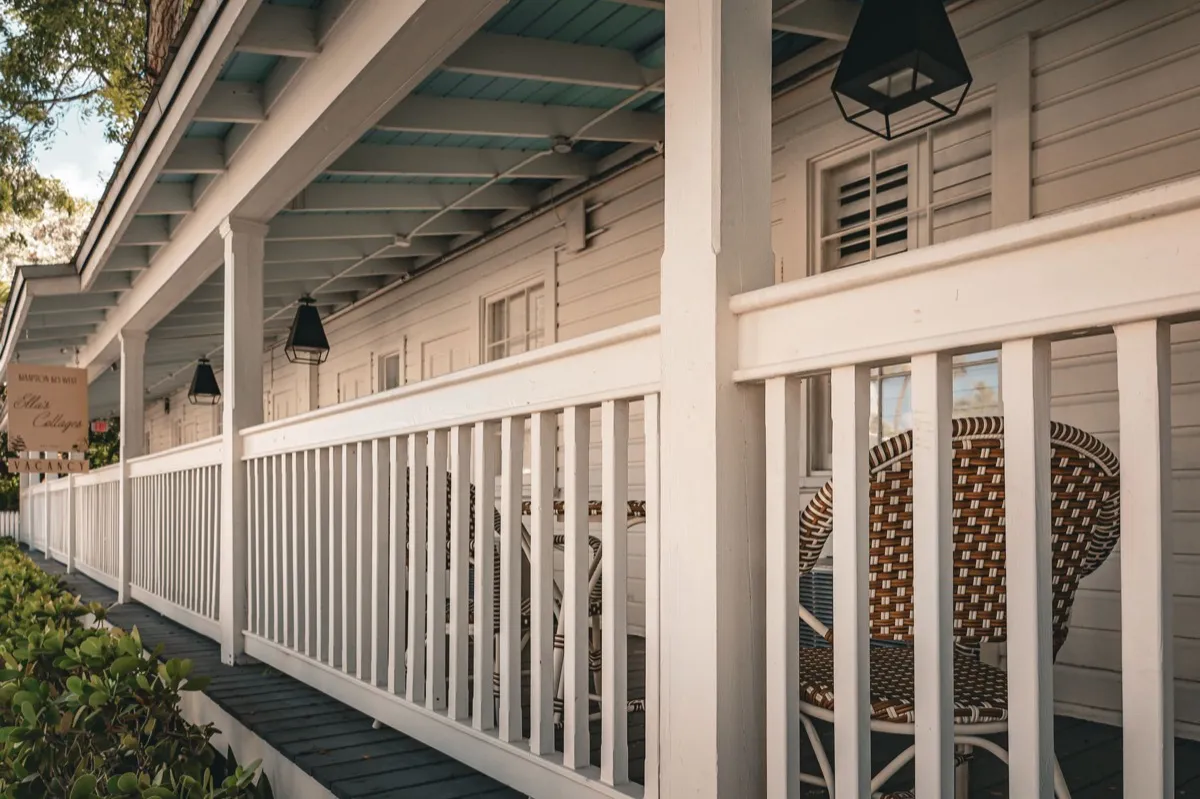
Deck railings are the most safety-critical part of a deck and the most common thing built wrong, because a guard has to resist a 200 pound concentrated load in any direction and most site-built wood railings never could. We install stainless cable, tempered glass, powder-coated aluminum and wood railing systems in McAllen, with posts and connections engineered for the actual loads and openings that satisfy the 4-inch sphere rule.
Deck Stairs & Landings
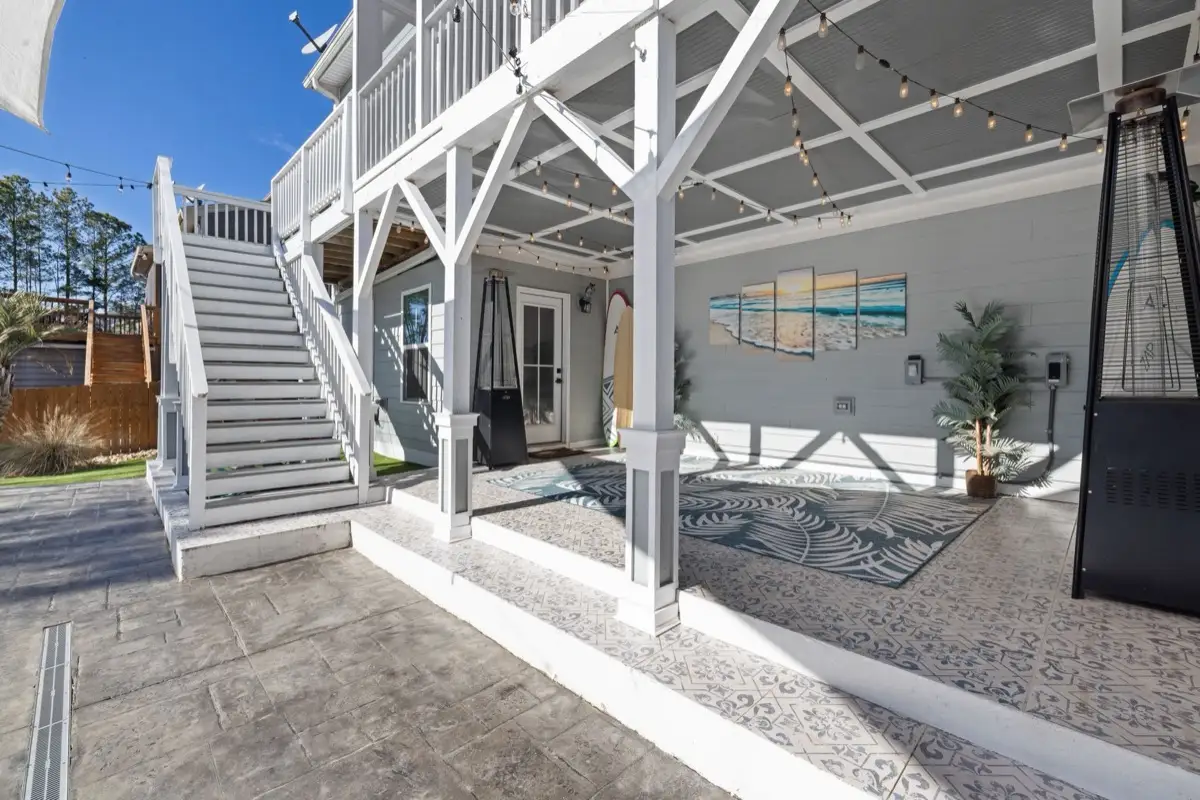
Deck stairs are the most dangerous part of any deck and the part we are called to repair most often, almost always because the risers are uneven. We build and rebuild deck stairs and landings in McAllen to the geometry that actually governs safety — risers at or under 7 3/4 inches, treads at 10 inches or more, and riser variation across a flight held under 3/8 of an inch — with graspable handrails and stringers landing on real footings.
Built-In Seating & Planters
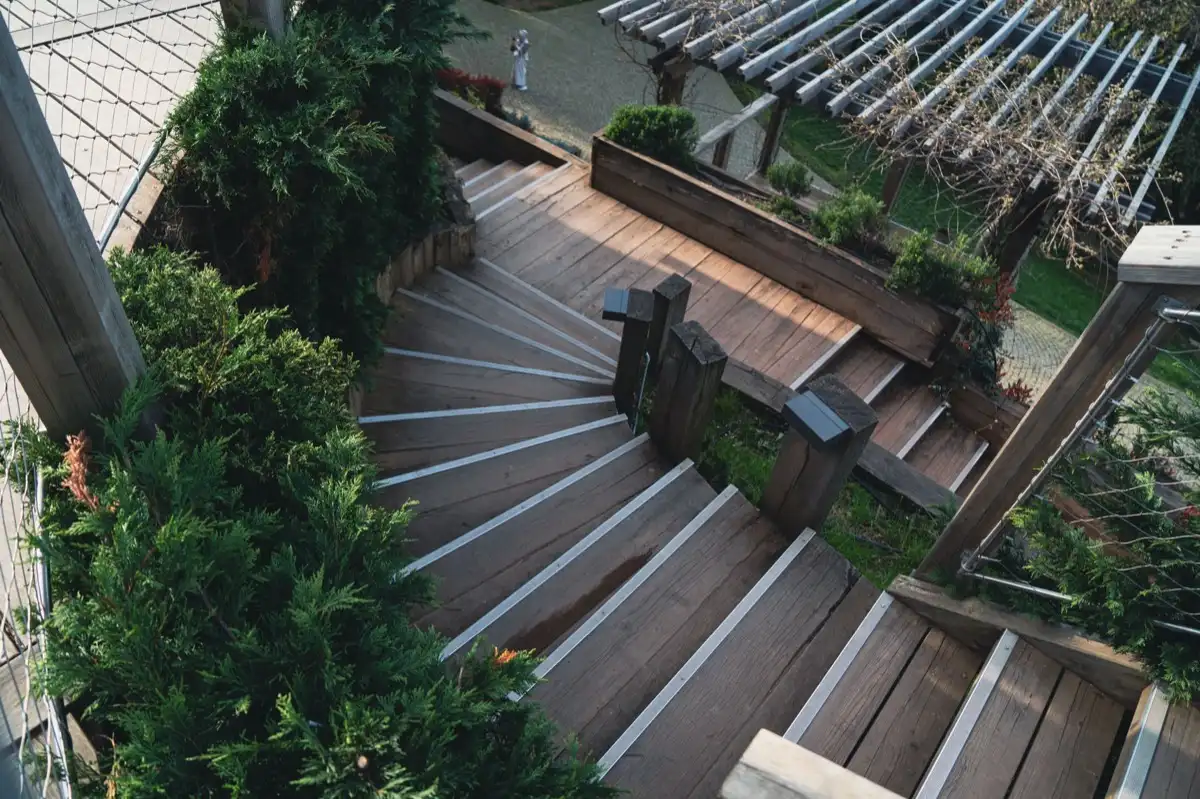
Built-in seating makes a modest deck live much larger than patio furniture ever will, because a perimeter bench frees the whole middle of the deck. We frame benches, storage seating and planter boxes into McAllen decks off the structure's own beams and blocking, at seat heights and depths that are actually comfortable, with drainage detailed so wet soil and closed boxes never rot the deck underneath.
Deck Lighting
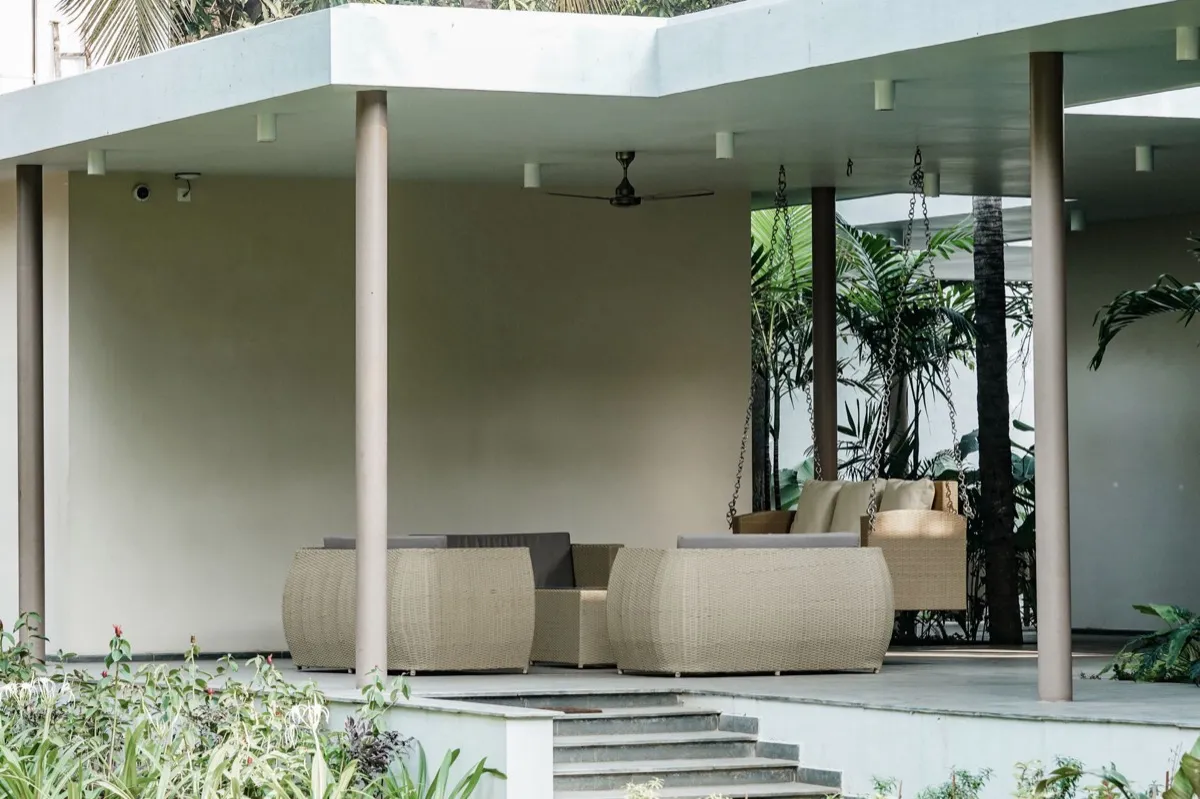
Deck lighting is what doubles the hours you actually use a deck in a climate where the pleasant part of the day starts after sunset. We install low-voltage 12-volt LED systems on McAllen decks — riser and stair lights, post caps, under-rail and under-bench strip washes — with properly sized transformers, warm 2700K color, and direct-burial cable in gasketed connections.
Outdoor Kitchens on Decks
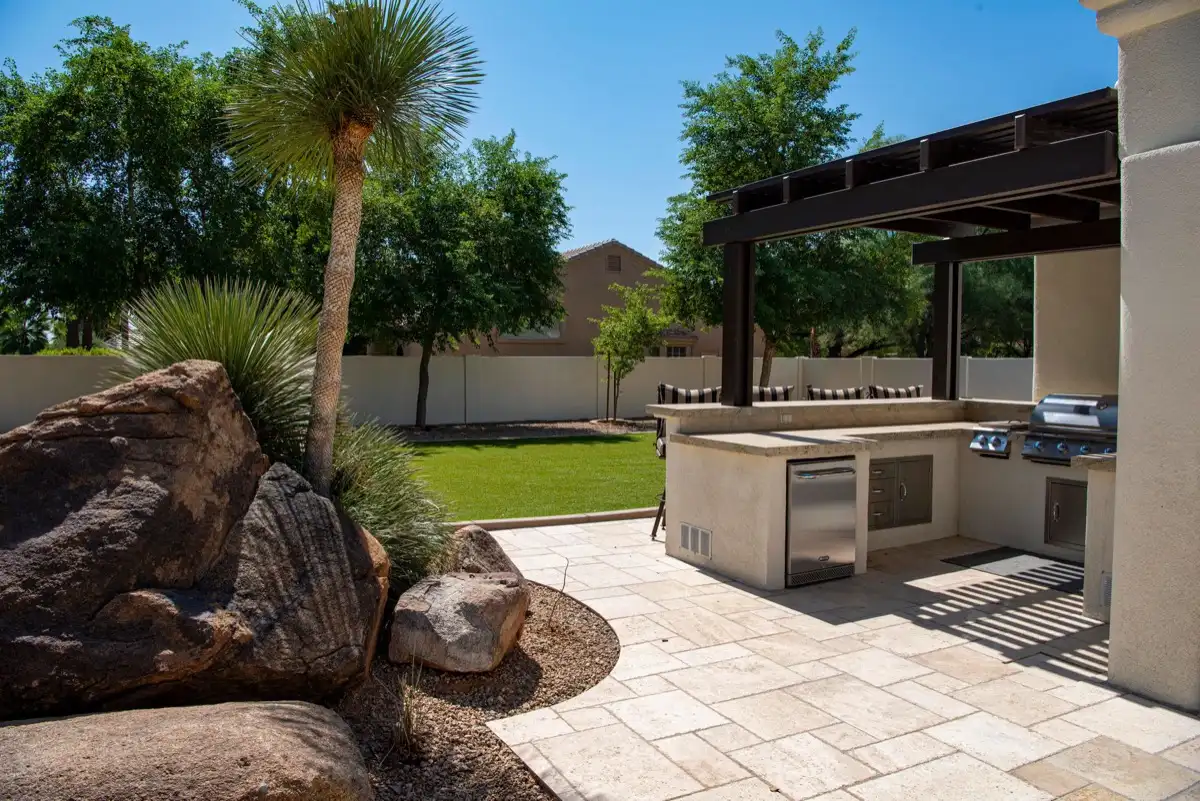
An outdoor kitchen on a deck is a structural problem before it is a design problem, because a stone counter and a built-in grill weigh several times what the deck was designed to carry. We frame and build outdoor kitchens into McAllen decks with dedicated beam and pier support under the heavy runs, code clearance to combustibles around the grill, and gas, water, drain and electrical roughed in before the decking ever goes down.
Deck Staining & Sealing
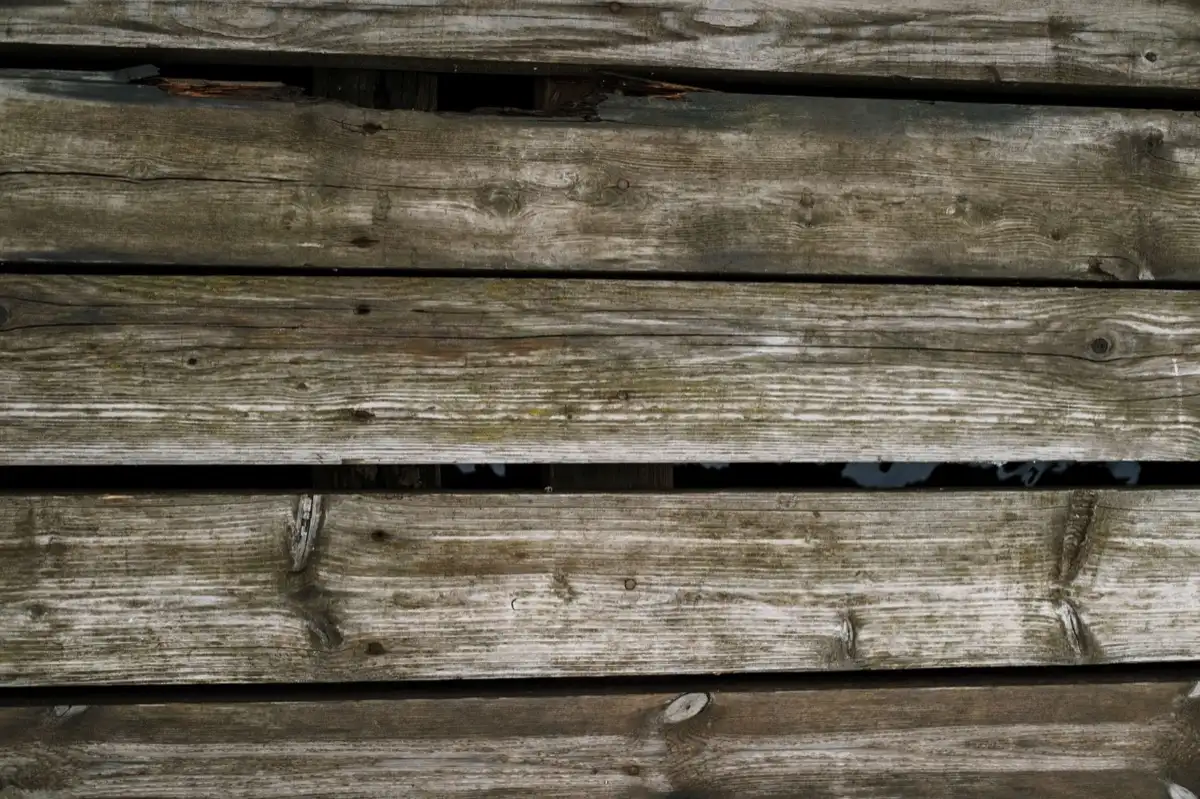
Deck staining in the Rio Grande Valley is governed by ultraviolet light, and our sun load shortens every recoat interval printed on the can. We strip, brighten, sand and refinish wood decks in McAllen using penetrating oil-based semi-transparent stains with ultraviolet inhibitors, applied at the right moisture content and out of direct midday sun, on a realistic 18-to-30-month cycle.
Deck Resurfacing & Board Replacement
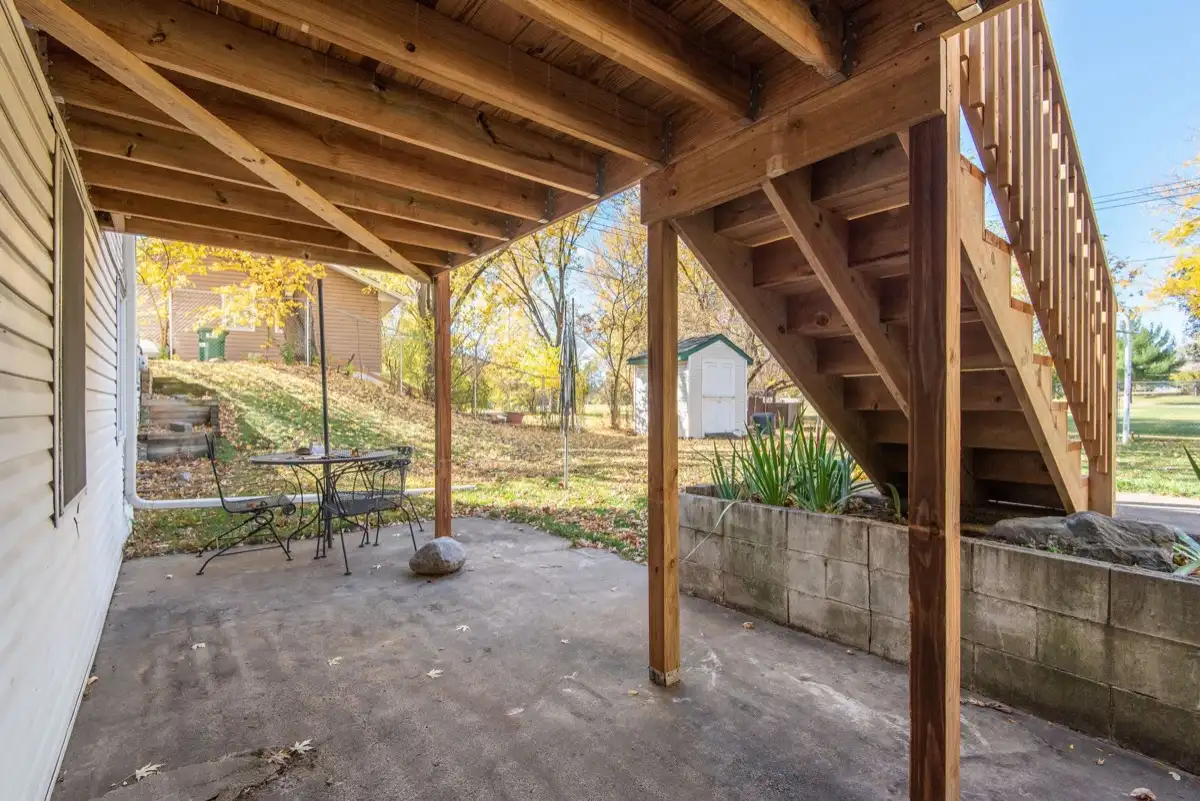
Deck resurfacing keeps your sound substructure and replaces only what you walk on and hold onto, and it usually costs well under half of a full rebuild. We inspect the frame first, then re-deck McAllen decks with new composite, PVC or wood surfaces and new railing, retrofitting joist tape over every joist top and sistering or replacing anything that will not outlast the new surface.
Floating & Ground-Level Decks
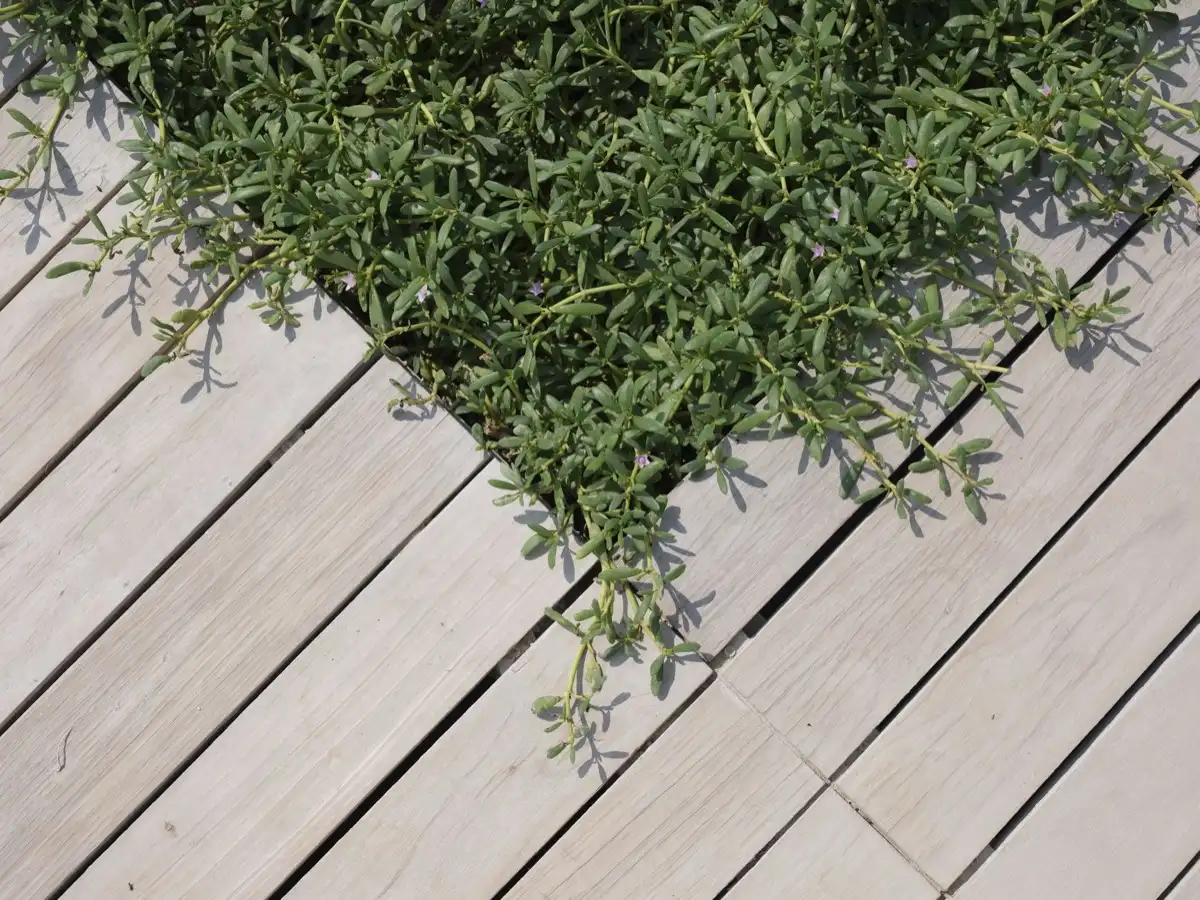
A floating deck is freestanding, sits low, and never touches the house, which eliminates the ledger connection responsible for most catastrophic deck collapses. We build ground-level and floating decks in McAllen on gravel beds with proper drainage and ventilation clearance, in ground-contact-rated framing, at heights that keep the surface under the 30-inch mark where no guard is required.
Commercial Decks & Boardwalks
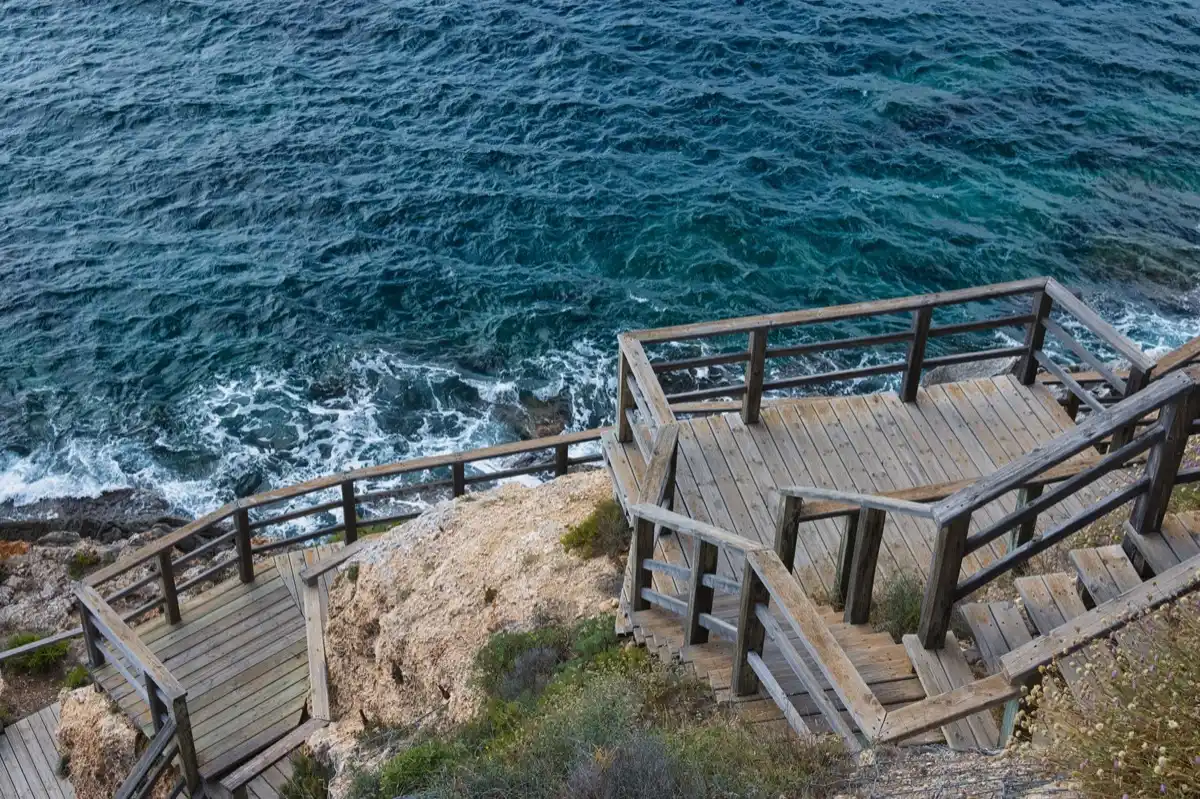
Commercial deck work is built to a different set of numbers than residential, starting with 42-inch guards carrying a 50 pound per linear foot load on top of the 200 pound concentrated load. We build restaurant and bar patios, multifamily and HOA walkways and stair systems, hotel pool decks, and public boardwalks and observation platforms across McAllen and Hidalgo County, with ADA-compliant handrails and landings and helical pier foundations over soft ground.
What each of our services covers in McAllen
Open any service to see exactly what is included before you call.
Composite Decking (Trex & TimberTech)
Composite decking is the default choice for most McAllen backyards, because it will not splinter, will not need a stain every second spring, and does not feed the subterranean termites that never go dormant in Hidalgo County. We install capped composite in the Trex and TimberTech lines over a full ground-contact pressure-treated substructure, using hidden clip fasteners in grooved boards so the finished surface has no screw holes collecting water and grit. The word that matters is capped.
- composite decking McAllen
- Trex deck installation
- TimberTech decking
- capped composite decking
- low maintenance deck
- wood plastic composite decking
- grooved board hidden fastener system
- fade and stain warranty decking
- composite deck over existing frame
- Capped composite board with a co-extruded polymer shell on three or four sides, which is the part that resists fading and staining — uncapped first-generation composite is a different and worse product
- Hidden clip fasteners in grooved board edges so the walking surface has no screw holes to collect water and grit
- Light and medium board colors specified deliberately, because a dark composite surface in direct July sun reaches temperatures that are unpleasant barefoot
- Joist spacing tightened to 12 inches on center for diagonal or 45-degree board layouts, per the manufacturer span requirements
- Expansion and contraction gapping set by board temperature at install, not by eye, because composite moves with heat more than wood does
- Full ground-contact pressure-treated substructure underneath, since a 25-year surface over a 10-year frame is money wasted
- Manufacturer fade, stain and structural warranties registered in your name before we leave the job
PVC & Cellular Decking
Cellular PVC decking contains no wood flour whatsoever, which makes it the most rot-proof and termite-proof surface you can walk on in the Rio Grande Valley. We install PVC board in the Azek and TimberTech lines on pool surrounds, spa decks, second-story decks over living space, and any job where a client wants the lowest-maintenance product available rather than the least expensive one. The distinction between PVC and composite is worth understanding before you spend the money.
- PVC decking McAllen
- cellular PVC deck boards
- Azek decking installation
- synthetic decking no wood fiber
- pool deck PVC board
- mold resistant decking
- lightest weight decking
- PVC vs composite decking
- cool touch decking technology
- PVC deck over existing framing
- Cellular PVC contains no wood flour at all, so there is nothing in the board for mold or termites to feed on — the practical difference from composite in a humid climate
- Noticeably lighter than composite, which reduces dead load on long spans and on second-story decks over living space
- Some PVC lines carry heat-reflective surface technology that measurably lowers surface temperature compared with a same-color composite board
- Higher thermal movement than composite, so end gaps, fascia and picture-frame details get detailed for real expansion
- Preferred surface immediately around pools and spas, where standing chlorinated water and constant wet traffic punish wood-fiber products
- Fully hidden fastener systems and matching fascia, riser and trim components for a finished edge with no visible screws
- Commercial-grade cleanability, which is why hotel and restaurant decks in the Valley increasingly specify it
Cedar Decks
Cedar decks stay cooler underfoot than any synthetic board, which is why western red cedar is still the right answer for a McAllen deck that gets full afternoon sun and no roof over it. We build in clear and select-grade cedar with tight vertical grain, fastened with stainless steel screws, on a ground-contact pressure-treated substructure that never depends on the cedar for its structural life. Cedar earns its reputation honestly.
- cedar deck McAllen
- western red cedar decking
- cedar deck installation
- natural wood deck
- cedar deck staining
- cedar vs composite deck
- clear cedar decking grade
- cedar pergola and deck
- cedar deck maintenance schedule
- Western red cedar carries natural extractives called thujaplicins that give the heartwood real decay and insect resistance without chemical treatment
- Grade matters more than species: clear or select-grade cedar with tight vertical grain behaves very differently from knotty construction grade
- Runs measurably cooler underfoot than composite of the same tone, which is the main reason Valley clients still choose it
- Soft wood that dents and scratches, so it is a poor choice under dog runs, patio furniture on casters or heavy commercial traffic
- Needs a penetrating oil-based stain with ultraviolet inhibitor roughly every 18 to 30 months in this ultraviolet load, or it grays and checks
- Stainless or hot-dipped fasteners only, because cedar extractives corrode standard galvanized screws and bleed black streaks
Redwood Decks
Redwood decking is the premium natural-wood surface we build in McAllen, and clear all-heart redwood is harder, denser and more dimensionally stable than western red cedar while staying just as cool underfoot. We use it where the wood itself is the point: exposed decks, wrapped posts, built-in benches and visible fascia, always fastened with stainless steel over a pressure-treated substructure.
Redwood's decay resistance comes from tannins concentrated in the heartwood, the same chemistry that lets old-growth redwood fence posts outlast the fences they carried.
- redwood deck McAllen
- clear all heart redwood decking
- redwood deck installation
- redwood vs cedar deck
- premium wood decking
- redwood deck sealing
- construction heart redwood
- natural rot resistant decking
- redwood railing and deck
- Clear all-heart redwood is the top grade, containing no sapwood and no knots, with the tannins that give redwood its decay and insect resistance
- Denser and harder than western red cedar, so it holds up better under furniture and foot traffic while staying cooler than composite
- Tannin bleed means stainless fasteners only, and a tannin-blocking approach on any adjacent painted surface
- Takes a penetrating oil finish exceptionally well and holds its color longer than cedar under the same ultraviolet load
Pressure-Treated Pine Decks
Pressure-treated southern yellow pine is the least expensive way to get a structurally sound deck in McAllen, and it is what we frame every deck with regardless of what you walk on.
For the surface as well, treated pine is an honest choice when budget is the constraint, provided it is ground-contact rated, fastened with hot-dipped or stainless hardware, and given a stain schedule you will actually keep. The single most important thing on a treated pine deck in Hidalgo County is the rating stamp.
- pressure treated deck McAllen
- treated pine decking
- ground contact pressure treated lumber
- affordable deck build
- southern yellow pine decking
- ACQ and copper azole treated lumber
- pressure treated deck staining
- kiln dried after treatment decking
- pressure treated deck framing
- Ground-contact rating carries roughly double the preservative retention of above-ground lumber and is what we use for every substructure in this climate
- Treated pine ships wet and shrinks as it dries, so fastener choice, board gapping and a delayed first stain all have to account for it
- Copper-based preservatives such as ACQ and copper azole corrode ordinary steel, requiring hot-dipped galvanized or stainless fasteners and hangers
- Kiln-dried-after-treatment board is more stable and worth the premium on the walking surface where cupping shows
- Every field cut and drilled hole gets brushed with a copper naphthenate end-cut preservative, because the treatment does not reach the core
- The least expensive way to get a structurally sound deck, and the honest choice when budget is the constraint
Ipe & Tropical Hardwood Decks
Ipe decking is the hardest, densest and longest-lasting wood surface available, and an ipe deck built properly in McAllen will outlast the house it is attached to. We install ipe and related tropical hardwoods — cumaru, garapa, and thermally modified species — with stainless hidden clips or plugged stainless face screws, and we quote the labor honestly because this material is genuinely difficult to work. Ipe, sometimes sold as Brazilian walnut, is dense enough that it sinks in water.
- ipe deck McAllen
- tropical hardwood decking
- ipe decking installation
- cumaru and garapa decking
- hardwood deck hidden fasteners
- ipe deck oiling
- Brazilian walnut decking
- thermally modified wood decking
- FSC certified hardwood decking
- Ipe is dense enough to sink in water and carries a Class A flame spread rating without any chemical treatment
- Every fastener hole must be pre-drilled and often countersunk, because the wood will break screws and split at ends otherwise
- Installed with stainless hidden clips into grooved board edges, or face-screwed with stainless and plugged on architectural work
- Carbide-tipped blades and a real budget for them, since ipe dulls standard tooling within a few boards
- Left unfinished it weathers to a silver patina; kept brown requires a penetrating hardwood oil roughly twice a year in Valley sun
- Cumaru, garapa and thermally modified ash offer most of the performance for less money and less installation difficulty
- Sourcing matters — we specify FSC-certified or verified legal stock, because tropical hardwood supply chains genuinely vary
Multi-Level Decks
Multi-level decks solve the two problems that flat single-platform decks cannot: a sloping yard and a family that wants to do more than one thing outside. We design and frame tiered decks where each level carries its own beam and post line, sized so the upper platform is never cantilevering off the lower one, with code-compliant guards and properly detailed stair transitions between them. The design logic is straightforward once you see it.
- multi level deck McAllen
- two tier deck design
- split level deck builder
- raised deck with lower platform
- deck with multiple platforms
- tiered deck design ideas
- second story deck builder
- elevated deck framing
- deck transition stairs between levels
- Separate platforms let each level serve one purpose — dining next to the kitchen door, lounging in shade, a lower pad at grade for the grill
- Each level gets its own beam and post line rather than cantilevering off the level above, which is the shortcut that causes bounce
- Guard requirements change with height: any walking surface more than 30 inches above grade needs a compliant 36-inch guard
- Transitions between levels are designed as either a full stair with handrails or a single generous step, never an ambiguous double step
- Breaking a large deck into levels follows the slope of the yard instead of building one enormous raised platform on tall posts
- Lower levels open the design up for pergola shade over the upper level without darkening the whole structure
- Separate framing lets us mix surfaces — composite where the sun hits, hardwood or cedar under cover
Pool Decks & Pool Surrounds
Pool decks take more abuse than any other deck we build, and around water we specify cellular PVC or capped composite rather than wood almost every time. We build pool surrounds, above-ground pool decks and spa platforms in McAllen with stainless hardware throughout, slip-resistant surfaces, engineered spa framing, and barrier and gate details that satisfy the pool enclosure requirements. Start with the material, because around a pool the usual tradeoffs shift.
- pool deck McAllen
- pool surround decking
- above ground pool deck builder
- wood deck around pool
- composite pool deck
- PVC pool decking
- pool deck barrier code
- spa and hot tub deck
- slip resistant pool decking
- pool deck resurfacing
- Cellular PVC and capped composite are the surfaces that survive standing chlorinated water, sunscreen and constant wet traffic
- Barrier and gate requirements govern any deck that forms part of a pool enclosure, including self-closing and self-latching hardware
- Surface temperature is the deciding factor around a pool, because this is the one deck people cross barefoot at midday
- Hot tub and spa platforms get engineered for the filled weight of water plus occupants, which is a far larger load than a normal deck
- Above-ground pool decks need framing independent of the pool wall, never bearing on the pool structure itself
- Drainage and slope detailed so splash-out runs away from the house and away from the substructure
- Stainless hardware throughout, because chlorine and humidity together attack galvanized fasteners quickly
Covered Decks & Roof Structures
A covered deck is the only structure that makes an unshaded south- or west-facing McAllen deck usable through a July afternoon, and it is the upgrade we recommend most often. We build attached and freestanding roof structures over decks — shed, gable and hip framing with rated uplift connectors, proper wall flashing, and ceiling fans and lighting wired in during construction rather than bolted on afterward. The reason to do this is simple and it is not really about rain.
- covered deck McAllen
- deck with roof
- roofed deck addition
- covered patio deck builder
- gable roof over deck
- shed roof deck cover
- insulated roof panel deck
- covered deck with ceiling fan
- deck roof uplift anchoring
- A solid roof is the only thing that makes an unshaded south or west deck genuinely usable through a Valley summer afternoon
- Roof structures are governed by uplift, not by gravity — the wind trying to lift the roof off is the load that takes them apart
- Continuous load path from rafter to beam to post to pier, with rated connectors and hold-downs at every joint
- Attached roofs need proper flashing and counter-flashing into the existing wall or roof, which is where leaks start
- Shed roofs are simpler and cheaper; gable and hip roofs shed rain better and give the ceiling height for a fan
- Ceiling fans, recessed lighting and outdoor-rated boxes framed and wired in during construction rather than added later
- Roof over a deck changes the material calculation underneath, since a shaded surface stays cooler and lasts longer
Pergolas & Shade Structures
A pergola is the least expensive way to make a McAllen deck usable in the afternoon, and how much shade it actually delivers depends entirely on rafter spacing and orientation rather than on how good it looks in the brochure.
We build cedar, redwood and powder-coated aluminum pergolas, including adjustable louvered systems, with uplift anchoring at every post and posts set on piers with standoff bases. The thing most people misunderstand about pergolas is that they only block the sun they are built to block.
- pergola builder McAllen
- cedar pergola installation
- pergola over deck
- louvered pergola
- shade structure backyard
- attached pergola design
- freestanding pergola build
- aluminum pergola vs wood
- pergola with retractable canopy
- arbor and shade arbor builder
- Rafter and purlin spacing calculated for the shade fraction you actually want, since a pergola only blocks the sun it is built to block
- Orientation matters more than density — east-west running rafters shade a south exposure very differently than north-south
- Adjustable louvered systems in powder-coated aluminum give full shade or full sun on demand and shed rain when closed
- Cedar and redwood for warmth and workability, powder-coated aluminum where zero maintenance is the priority
- Uplift anchoring at every post, because an open pergola still catches enough wind to need real hold-downs
- Posts on piers with standoff bases so no post bottom sits in soil or standing water
- Deep-shade planting and retractable canopies as honest add-ons where the budget will not carry a solid roof
Screened Porches
A screened porch is what finally lets you sit outside on a Valley evening without donating blood, and it is one of the most-used rooms we build. We frame screened porches in McAllen with a solid roof over them, tensioned screen panels with removable spline, pet-resistant mesh on the lower panels, kick panels where feet and paws land, and an outdoor-rated ceiling fan wired in from the start. The mesh is the part clients think least about and notice most.
- screened porch McAllen
- screened in porch builder
- screen room addition
- mosquito screen porch
- screened porch over existing deck
- pet resistant screen mesh
- no see um screen porch
- screened porch with ceiling fan
- screen enclosure spline system
- Mesh choice is the whole job: standard 18x16 fiberglass, tighter no-see-um mesh, and heavy pet-resistant mesh all behave differently
- Pet-resistant vinyl-coated polyester mesh on the lower panels where dogs push, standard mesh above to keep the view open
- Screen tension systems with removable spline so a single damaged panel is a repair rather than a rebuild
- A solid roof over the screen room is required — screen alone does nothing about sun or rain
- Kick panels and knee walls at the bottom to take the abuse that screen never survives
- Ceiling fans on outdoor-rated boxes, because still air in a screened room in July defeats the purpose
- Screening an existing deck requires checking the framing for the added roof load before anything else
Deck Railings: Cable, Glass, Aluminum & Wood
Deck railings are the most safety-critical part of a deck and the most common thing built wrong, because a guard has to resist a 200 pound concentrated load in any direction and most site-built wood railings never could. We install stainless cable, tempered glass, powder-coated aluminum and wood railing systems in McAllen, with posts and connections engineered for the actual loads and openings that satisfy the 4-inch sphere rule. The code numbers are worth knowing because they drive the design.
- deck railing McAllen
- stainless cable railing installation
- glass panel deck railing
- aluminum deck railing
- wood deck railing rebuild
- cable rail tension requirements
- deck guard height code
- composite railing system
- horizontal cable railing view
- Residential guards are 36 inches high, commercial guards 42, and both must resist a 200 pound concentrated load in any direction
- The 4-inch sphere rule limits openings so a small child cannot pass through, which governs cable spacing and baluster layout
- Stainless cable railing needs corner and end posts engineered for real tension loads, not standard deck posts
- Cable runs require intermediate supports at spacing set by the system, or the cables deflect and fail the sphere rule under hand pressure
- Tempered or laminated glass panels give an unbroken view and take the most cleaning in a dusty, windy region
- Powder-coated aluminum is the lowest-maintenance system and will not corrode in Valley humidity
- Graspable handrail profile required on stairs, which is a different requirement from the guard itself
Deck Stairs & Landings
Deck stairs are the most dangerous part of any deck and the part we are called to repair most often, almost always because the risers are uneven.
We build and rebuild deck stairs and landings in McAllen to the geometry that actually governs safety — risers at or under 7 3/4 inches, treads at 10 inches or more, and riser variation across a flight held under 3/8 of an inch — with graspable handrails and stringers landing on real footings.
That 3/8-inch tolerance is the number worth remembering.
- deck stairs McAllen
- deck stair stringer replacement
- deck landing construction
- stair riser tread code
- deck steps rebuild
- wide deck stairs design
- stair handrail installation
- cascading box steps deck
- deck stair lighting
- Riser height capped at 7 3/4 inches and tread depth at least 10 inches, with riser variation across a flight held under 3/8 inch
- Uneven risers are the leading cause of falls on residential stairs and the most common defect we are called to fix
- Stringers cut from ground-contact pressure-treated stock, or engineered steel stringers on commercial and long flights
- Stairs land on a real concrete pad or footing, never on soil or a paver set loose on grade
- Graspable handrails at the required height on any flight of four or more risers, returned into a post at both ends
- Cascading box steps for wide, shallow transitions where a single generous stair reads as part of the deck
- Riser and step lighting on low-voltage circuits so the flight is visible without a floodlight
Built-In Seating & Planters
Built-in seating makes a modest deck live much larger than patio furniture ever will, because a perimeter bench frees the whole middle of the deck.
We frame benches, storage seating and planter boxes into McAllen decks off the structure's own beams and blocking, at seat heights and depths that are actually comfortable, with drainage detailed so wet soil and closed boxes never rot the deck underneath. The most important thing to say about built-in seating is a safety point, because it gets this wrong constantly.
- built in deck bench McAllen
- deck seating design
- built in planter boxes deck
- deck bench with storage
- perimeter bench seating deck
- deck privacy planter wall
- bench as deck guard
- custom deck seating build
- deck storage bench
- planter box drainage deck
- A bench is not a guard — where the walking surface needs a 36-inch guard, seating cannot substitute for it and may make it worse
- Comfortable outdoor bench geometry is roughly 17 to 18 inches seat height and 16 to 18 inches depth, with a slight back tilt
- Storage benches get a drainage path and a vented lid, because a sealed box in Valley humidity grows mold
- Planters get a full waterproof liner and a drainage plane so wet soil never sits against decking or framing
- Perimeter seating opens the middle of a deck up, which makes a modest deck live much larger than furniture would
- Planter walls double as privacy screening on tight lots where a fence would be intrusive or non-compliant
- Seating and planters framed off the deck's own beams and blocking rather than screwed to the decking surface
Deck Lighting
Deck lighting is what doubles the hours you actually use a deck in a climate where the pleasant part of the day starts after sunset. We install low-voltage 12-volt LED systems on McAllen decks — riser and stair lights, post caps, under-rail and under-bench strip washes — with properly sized transformers, warm 2700K color, and direct-burial cable in gasketed connections. In the Valley this is not a decorative afterthought.
- deck lighting McAllen
- low voltage deck lights
- LED riser and stair lighting
- post cap deck lights
- under rail LED strip lighting
- deck lighting transformer sizing
- outdoor string light installation
- landscape and deck lighting integration
- deck lighting retrofit existing deck
- warm white outdoor LED color temperature
- Low-voltage 12-volt systems are safer, easier to extend, and do not require the same permitting as line-voltage outdoor circuits
- Transformer sized with real headroom, since an undersized transformer running near capacity is the usual cause of premature failure
- Warm white in the 2700K range, because cool white outdoors reads as a parking lot and shows every insect
- Riser and stair lights aimed down at the tread so the flight is visible without glare in anyone's eyes
- Under-rail and under-bench strip lighting for indirect wash that lights the surface rather than the sky
- Direct-burial rated cable, gasketed connectors and outdoor-rated junctions, because Valley humidity finds every unsealed splice
Outdoor Kitchens on Decks
An outdoor kitchen on a deck is a structural problem before it is a design problem, because a stone counter and a built-in grill weigh several times what the deck was designed to carry.
We frame and build outdoor kitchens into McAllen decks with dedicated beam and pier support under the heavy runs, code clearance to combustibles around the grill, and gas, water, drain and electrical roughed in before the decking ever goes down. Start with weight, because this is where deck-mounted kitchens fail.
- outdoor kitchen deck McAllen
- built in grill deck framing
- deck bar and counter build
- outdoor kitchen structural framing
- grill island on wood deck
- outdoor kitchen gas and electrical rough in
- stainless outdoor kitchen cabinets
- outdoor sink deck plumbing
- deck kitchen clearance to combustibles
- outdoor kitchen countertop deck
- Masonry and stone counters weigh far more than the 40 pounds per square foot a deck is designed for, so the framing under them is designed separately
- Built-in grills require specified clearance to combustible surfaces and a non-combustible surround, which is a fire issue rather than a preference
- Gas, water, drain and electrical all roughed in during framing, because none of it can be added neatly afterward
- Stainless or marine-grade polymer cabinetry, since wood cabinetry outdoors in Valley humidity is a short-term decision
- Counter height at 36 inches for work surfaces and 42 for bar seating, with real landing space beside the grill
- Kitchens placed to keep smoke away from seating and away from the prevailing breeze into the house
- Shade or a roof over the cook, because standing at a grill in unshaded Valley sun in July is genuinely unpleasant
Deck Staining & Sealing
Deck staining in the Rio Grande Valley is governed by ultraviolet light, and our sun load shortens every recoat interval printed on the can. We strip, brighten, sand and refinish wood decks in McAllen using penetrating oil-based semi-transparent stains with ultraviolet inhibitors, applied at the right moisture content and out of direct midday sun, on a realistic 18-to-30-month cycle.
The most useful thing we can tell you about deck finishes is which category to choose, because that decision determines whether future maintenance is a weekend or a nightmare.
- deck staining McAllen
- deck sealing service
- penetrating oil deck stain
- deck refinishing and sanding
- semi transparent deck stain
- deck stripping and brightening
- UV inhibitor deck finish
- wood deck restoration
- deck stain recoat schedule
- peeling deck stain repair
- Penetrating oil-based semi-transparent stains with ultraviolet inhibitors, which wear by fading rather than peeling
- Film-forming solid stains and deck paint are a trap on walking surfaces — they peel from underneath as moisture moves through the board
- Our ultraviolet load shortens every manufacturer recoat interval, so real-world recoating runs 18 to 30 months on most decks
- Moisture content checked before finishing, because stain applied to damp or newly treated lumber will not penetrate
- Strip and brighten with a two-step cleaner and oxalic acid brightener before any recoat over an aged finish
- Surface temperature and time of day matter — finishing a deck in direct midday sun flashes the solvent before it penetrates
- Failed film finishes require full mechanical removal, which is the expensive lesson behind choosing penetrating stain first
Deck Resurfacing & Board Replacement
Deck resurfacing keeps your sound substructure and replaces only what you walk on and hold onto, and it usually costs well under half of a full rebuild. We inspect the frame first, then re-deck McAllen decks with new composite, PVC or wood surfaces and new railing, retrofitting joist tape over every joist top and sistering or replacing anything that will not outlast the new surface. Most decks fail from the top down.
- deck resurfacing McAllen
- deck board replacement
- reskin existing deck frame
- convert wood deck to composite
- deck joist inspection and sistering
- joist tape retrofit
- deck ledger repair
- rotted deck board replacement
- deck substructure evaluation
- The substructure gets inspected before anything is quoted — ledger connection, post bases, joist tops, beam bearing and fastener corrosion
- Joist tape retrofitted over every joist top while the frame is open, which is the highest-value hour of the whole job
- Joist spacing has to be verified against the new decking product, since many composites require 16 inches or tighter and 12 for diagonals
- Undersized or sagging joists get sistered, and rotted stringers and rim boards replaced, before new surface goes on
- Converting wood to composite adds dead load, so beam and joist capacity is confirmed rather than assumed
- Honest disqualifiers: rotted ledger, posts set in concrete and rotting at grade, or a frame built to no span table at all
Floating & Ground-Level Decks
A floating deck is freestanding, sits low, and never touches the house, which eliminates the ledger connection responsible for most catastrophic deck collapses. We build ground-level and floating decks in McAllen on gravel beds with proper drainage and ventilation clearance, in ground-contact-rated framing, at heights that keep the surface under the 30-inch mark where no guard is required. The appeal is real and it is not only about cost.
- floating deck McAllen
- ground level deck builder
- freestanding deck no ledger
- low profile deck framing
- deck on precast pier blocks
- detached deck platform
- no railing deck under 30 inches
- ground level deck ventilation
- patio to deck conversion
- Freestanding construction avoids attaching to the house at all, which removes the ledger — the connection responsible for most catastrophic deck collapses
- Under 200 square feet, detached, and low enough to need no guard is frequently the threshold where permitting gets simpler
- Ventilation and clearance underneath are the whole engineering problem on a low deck in a humid termite region
- Ground contact rating is mandatory here, not advisable, since framing sits inches from damp soil
- Gravel bed, weed barrier and positive drainage under the deck rather than bare soil holding moisture
- Precast pier blocks suit small platforms; larger low decks still want poured footings below the bearing depth
Commercial Decks & Boardwalks
Commercial deck work is built to a different set of numbers than residential, starting with 42-inch guards carrying a 50 pound per linear foot load on top of the 200 pound concentrated load.
We build restaurant and bar patios, multifamily and HOA walkways and stair systems, hotel pool decks, and public boardwalks and observation platforms across McAllen and Hidalgo County, with ADA-compliant handrails and landings and helical pier foundations over soft ground.
Restaurant and bar patios are the most common commercial deck in this market, and the constraint is almost always time rather than construction.
- commercial deck contractor McAllen
- boardwalk construction
- restaurant patio deck build
- apartment walkway and stair repair
- HOA deck inspection and repair
- observation deck platform
- ADA compliant deck ramp
- commercial guard height 42 inches
- helical pier boardwalk foundation
- steel framed deck substructure
- Commercial guards are 42 inches with a 50 pound per linear foot load in addition to the 200 pound concentrated load
- ADA requirements govern graspable handrail profile and extensions, landing dimensions, ramp slope and surface openings
- Boardwalk surfaces limit gaps so a cane tip or a small wheel cannot catch, which rules out wide-gapped board layouts
- Helical piers over wetland and soft ground avoid pouring concrete into sensitive soil and install with minimal disturbance
- Steel-framed substructures where span, traffic volume or fire separation requirements exceed what wood can carry
- Phased construction on occupied multifamily buildings with a legal means of egress maintained at every stage
- Scheduled inspection programs for stair stringers, ledger connections and guards, which is a liability question on aging complexes
What McAllen property owners ask us
Which deck building services does McAllen Elite Deck Builders handle?
Everything listed on this page, residential and commercial, across McAllen and the Rio Grande Valley. Work is done by our own crews rather than handed to whoever is cheapest that week, which is the only way the workmanship warranty means anything.
Can I combine more than one service in a single job?
Yes, and it is usually cheaper. Bundling deck building work into one mobilization saves setup, disposal and travel, and it means one crew, one schedule and one written free estimate instead of three contractors blaming each other.
Do you give free estimates for every service?
Every one. We come out, measure, look at the real condition of the work area, and put an itemized free estimate in writing with materials and scope spelled out. No charge, no deposit, and no obligation to book.
What McAllen Customers Say
First contractor who asked which way the yard faced before showing me boards. We were set on a dark composite and he brought two samples out at two in the afternoon and had us stand on them barefoot. We went three shades lighter and added a pergola over half of it. Best advice we got on the whole project.
Our deck was 14 years old and we assumed it was a teardown. They pulled two boards, checked the joists and the ledger, and told us the frame was fine and we only needed a new surface and railing. Came in at about a third of what the other quote was. They could have sold me a whole new deck and did not.
Cable railing on a raised deck, and they did the permit and the inspection without me having to chase anything. What I noticed was the framing: tape over every joist, flashing behind the ledger, posts on piers with metal standoffs instead of sunk in the ground. You can tell they have seen what termites do down here.
Screened porch off the back so we could actually sit outside without the mosquitoes in the evening. They talked us through screen mesh options and put in the heavier pet-resistant mesh on the bottom panels because of the dogs. Clean framing, straight lines, and they hauled every scrap off the same day they finished.
Towns We Cover
McAllen Elite Deck Builders serves McAllen, TX and surrounding communities including: